
As a Board Certified Behavior Analyst (BCBA), it's important to understand the significance of the National Provider Identifier (NPI) in your professional practice, especially if you intend to contract with insurance providers. This article will provide a concise guide to what an NPI is, why you need one, and how to get it.
The National Provider Identifier (NPI) is a unique 10-digit identification number assigned to healthcare providers in the United States. Established to streamline the electronic transmission of health information, the NPI plays a vital role in ensuring the efficiency and effectiveness of health data exchanges.
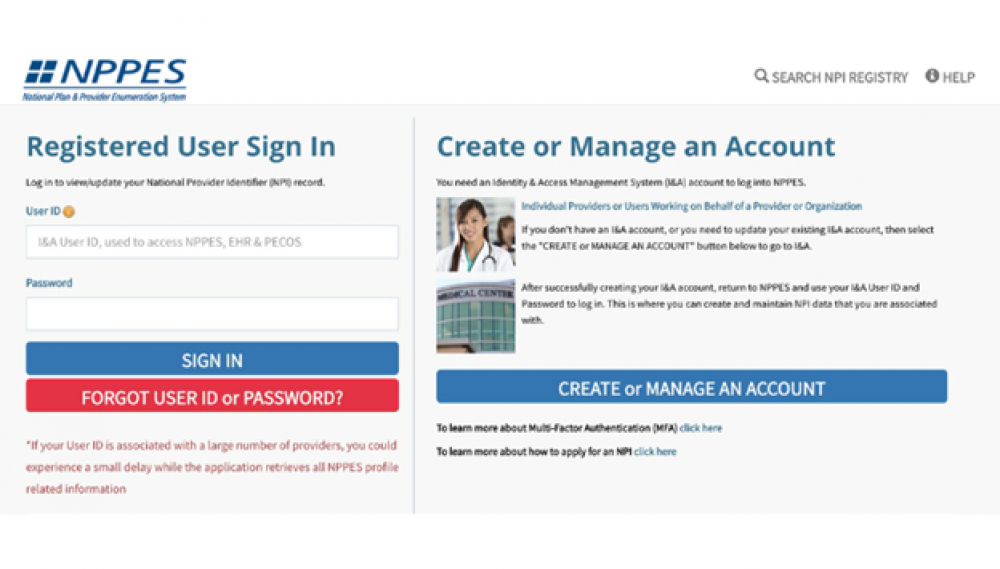
The Center for Medicare & Medicaid Services (CMS) developed the National Plan and Provider Enumeration System (NPPES) to assign NPIs, which are essential for meeting the HIPAA Administrative Simplification standard. NPIs are used in various HIPAA standard transactions, including:
If you are a healthcare provider covered under HIPAA, you must obtain an NPI. This applies whether you work independently as an ABA provider or through an employer. As a BCBA, you'll need a Type 1 NPI for individual providers. This number is personal and will be used throughout your career, regardless of your employment situation.
There are two types of NPI numbers:
You can apply for an Individual NPI in three ways:
For detailed instructions, refer to the "National Provider Identifier (NPI) Application" guide.
If your employer created your Type 1 NPI account, you must ensure you have access to it. This account will be necessary for credentialing and managing your information. If you plan to obtain a Type 2 NPI, you'll need to use the same account. Contact your employer or the NPI Enumerator at 1-800-465-3203 or customerservice@npienumerator.com if you need login details.
Keeping your NPI information up-to-date is essential for maintaining your credentials and ensuring smooth communication with the NPPES. Always have access to your account to manage and update your information as needed.